
The sun-drenched Greek island of Corfu has long captivated travelers with its azure waters and Venetian architecture, but for literary enthusiasts, it holds a special significance as the setting of Gerald Durrell’s beloved memoir “My Family and Other Animals.” Today, Durrells Corfu literary tourism has evolved into a thriving niche, drawing thousands of visitors annually who seek to walk in the footsteps of the eccentric British family immortalized in both book and screen. The recent ITV television adaptation has sparked renewed interest in the Durrell legacy, transforming quiet villages and coastal paths into pilgrimage sites for fans worldwide. From the family’s white villa overlooking the sea to the olive groves where young Gerry collected his exotic creatures, Corfu’s landscape remains remarkably unchanged from the 1930s era the Durrells called home. As literary tourism continues to reshape travel trends in 2026, Corfu stands as a prime example of how powerful storytelling can transform a destination, offering visitors not just scenic beauty but an immersive journey into a world of wit, warmth, and wonder.
The Durrell family’s legacy in Corfu and Greece
The Durrell family’s time in Corfu between 1935 and 1939 left an indelible mark on both the island and literary history. Gerald Durrell’s beloved memoir “My Family and Other Animals” introduced millions of readers to the magic of pre-war Corfu, while his older brother Lawrence Durrell’s poetic prose in “Prospero’s Cell” captured the island’s essence with lyrical precision. Together, these works transformed Corfu into a symbol of Mediterranean idyll and sparked generations of literary pilgrimage.
Beyond their written legacy, the Durrells contributed significantly to conservation and cultural understanding. Gerald went on to found Jersey Zoo in 1959, pioneering captive breeding programs that revolutionized wildlife conservation worldwide. His passionate advocacy for endangered species was rooted in those formative years exploring Corfu’s diverse ecosystems. Lawrence became one of the 20th century’s most celebrated poets and novelists, with his Alexandria Quartet cementing his reputation as a master of modernist literature.
Today, the family’s influence permeates Corfu’s tourism industry and cultural identity. The wildly popular ITV series “The Durrells” (2016-2019) introduced their story to new audiences, creating fresh interest in visiting their former haunts. Local authorities have embraced this heritage, developing walking trails, museum exhibits, and educational programs that celebrate the Durrells’ enduring connection to Greek island life.
Essential Durrell locations to visit on the island
Corfu town serves as the natural starting point for any Durrell pilgrimage. The Old Town’s narrow streets and Venetian architecture provide the backdrop for many family anecdotes, though the specific family residence has been absorbed into the urban landscape. The Church of St. Spyridon, mentioned frequently in Lawrence Durrell’s writings, remains a functioning place of worship open to visitors.
The most iconic location is the villa at Kalami, where Lawrence Durrell lived with his wife Nancy in the late 1930s. Now operating as the White House taverna and guesthouse, visitors can dine on the same terrace where Lawrence wrote “Prospero’s Cell.” The building retains much of its original character, with the dramatic bay view that inspired his lyrical descriptions.
Gerald Durrell’s childhood homes are more challenging to pinpoint precisely, as the family moved several times during their Corfu years. The “Strawberry-Pink Villa” is believed to have been located near Kontokali, while the “Daffodil-Yellow Villa” stood somewhere in the Cressida area. Though exact addresses remain debated among scholars, both regions offer scenic countryside walks through olive groves that evoke Gerald’s naturalist explorations.
Paleokastritsa’s dramatic coastline and monastery feature prominently in both brothers’ accounts, making it an essential stop for understanding the island’s impact on their creative development.
Planning your literary pilgrimage to Corfu in 2026
The best time to visit Corfu for Durrell enthusiasts is between April and June, when wildflowers blanket the hillsides and temperatures hover comfortably between 18-25°C. This period mirrors the season Gerald Durrell describes so vividly in “My Family and Other Animals,” offering authentic immersion into the landscape that shaped his naturalist’s eye.
Direct flights from major European cities increase during spring 2026, with budget carriers offering competitive routes. Book accommodation at least three months ahead, particularly if you want to stay near Kalami Bay, where Lawrence Durrell’s White House remains a pilgrimage site. Small family-run hotels in the northeast coast villages provide more authentic experiences than larger resort complexes.
Consider hiring a car for at least part of your stay. While organized Durrell tours exist, the family’s favorite haunts scattered across the island reward independent exploration. Public buses connect major sites but run infrequently outside peak summer months.
Pack comfortable walking shoes for olive grove trails and rocky coastal paths. Bring binoculars if you share Gerald’s passion for wildlife, as Corfu remains a haven for birds and butterflies. A waterproof copy of the Durrell books enhances on-site reading at locations they describe.
Budget approximately €80-120 daily per person, covering accommodation, meals, transport, and site entrance fees.
Experiencing Corfu through the eyes of Gerald and Lawrence Durrell
The Durrell brothers offered two distinct literary lenses through which to view Corfu, each enriching the visitor’s experience in complementary ways. Gerald Durrell’s naturalist perspective, immortalized in “My Family and Other Animals,” transforms the island into a living laboratory where every garden wall might hide a gecko and every olive grove promises an encounter with wildlife. His childhood observations guide modern travelers to look beyond postcard vistas and notice the smaller wonders: the iridescent beetles, the chorus of frogs in spring, and the Mediterranean flora that thrives in every corner.
Lawrence Durrell’s more philosophical approach in “Prospero’s Cell” presents Corfu as a place of sensory and intellectual awakening. His prose captures the quality of light on water, the taste of local wine, and the unhurried rhythm of island life in the 1930s. Following Lawrence’s path means seeking out quiet coves for contemplation, engaging with local culture beyond tourist encounters, and appreciating the island’s Greek character that persists beneath modern development.
Together, these perspectives encourage visitors to balance observation with immersion. Gerald teaches us to watch carefully; Lawrence reminds us to feel deeply. This dual approach transforms a simple holiday into a richer, more layered experience of Corfu’s enduring magic.
Modern literary tourism infrastructure and guided experiences
The surge in interest following the television adaptation has prompted local tour operators to develop sophisticated literary experiences centered on the Durrell family’s legacy. Professional guided tours now incorporate detailed historical context, utilizing archival photographs and authenticated locations mentioned in Lawrence and Gerald Durrell’s writings. These experiences typically include visits to the family’s various residences, including the iconic villa in Kalami and the house in Perama.
Digital enhancements have transformed traditional walking tours, with several companies offering augmented reality applications that overlay historical images onto contemporary landscapes. Visitors can compare scenes described in “My Family and Other Animals” with present-day Corfu, creating an immersive bridge between literary imagination and physical reality.
The Durrell School of Corfu provides specialized workshops combining environmental education with literary heritage, reflecting Gerald’s conservation ethos alongside the family’s cultural contributions. Marine biology excursions echo the naturalist explorations detailed in the books, while writing retreats attract aspiring authors seeking inspiration from the landscape that shaped the Durrells’ creative output.
Self-guided trails have been established with multilingual signage, allowing independent travelers to explore at their own pace. The official Durrell Trail connects key locations across the island, supported by a comprehensive mobile application featuring audio narration, historical documentation, and practical visitor information.
Combining Durrell sites with broader Corfu cultural attractions
The Durrells’ story represents just one chapter in Corfu’s rich cultural tapestry, and visitors will find their experience enhanced by exploring the island’s broader historical context. The Archaeological Museum of Corfu houses artifacts spanning millennia, including the famous Gorgon pediment from the Temple of Artemis, providing perspective on the ancient civilization that predated the Durrell family by thousands of years.
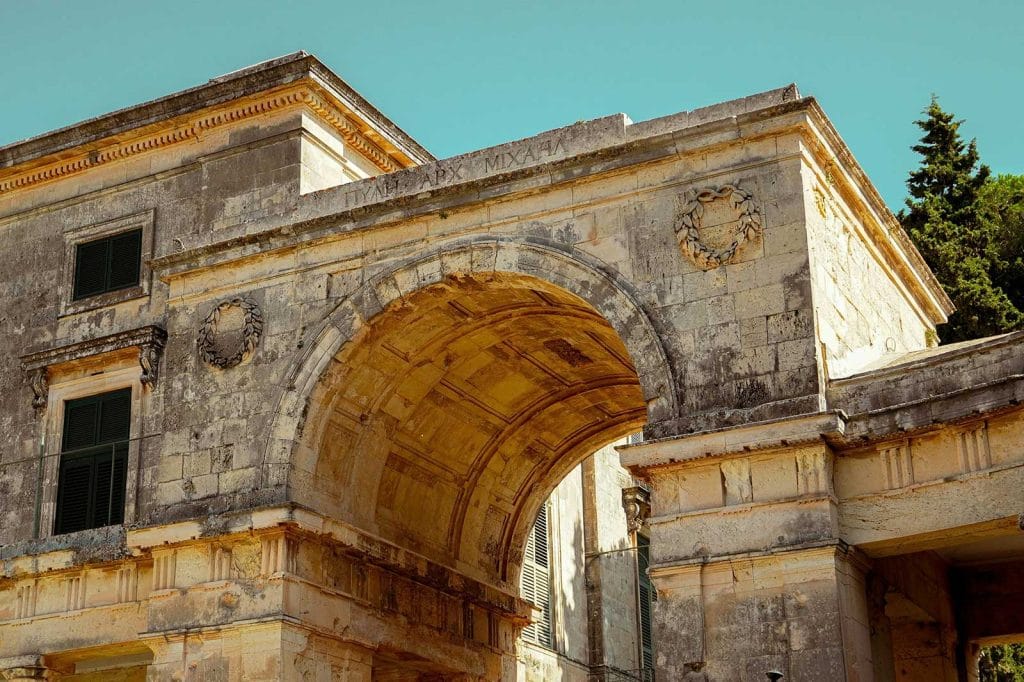
The Old Fortress and New Fortress showcase Venetian military architecture and offer panoramic views of the locations Gerald Durrell once explored. Meanwhile, the Palace of St. Michael and St. George, built during British rule, connects directly to the colonial period that shaped the island the Durrells encountered in the 1930s.
The Achilleion Palace, commissioned by Empress Elisabeth of Austria, demonstrates Corfu’s appeal to European aristocracy and intellectuals long before Lawrence Durrell penned his Mediterranean memoirs. Its neoclassical gardens and ornate interiors provide architectural contrast to the simpler villas the Durrells inhabited.
Religious heritage sites, including the Church of Saint Spyridon with its silver-coffined patron saint, reveal the Orthodox traditions that formed the backdrop to Gerald’s wildlife adventures and Lawrence’s literary observations. By weaving Durrell-specific locations into a comprehensive cultural itinerary, visitors gain deeper appreciation for why this particular island captivated one of the twentieth century’s most celebrated literary families.
The enduring appeal of the Durrell family’s Corfu story continues to captivate travelers in 2026, blending literary heritage with the island’s natural beauty. From Gerald Durrell’s vivid wildlife descriptions to Lawrence Durrell’s poetic landscapes, their works provide a timeless guide to experiencing Corfu’s magic. Today’s visitors can walk in their footsteps through preserved villas, explore the same olive groves and beaches, and discover how the island that shaped these remarkable writers remains largely unchanged in spirit. Whether you’re a devoted fan of the books and television series or simply seeking an authentic Greek island experience, Corfu offers a unique journey through both literature and history. Start planning your own Durrell-inspired adventure and discover why this enchanting island continues to inspire generations of travelers and readers alike.
- Cycling Routes in Corfu: Best Bike Trails for All Skill Levels
- Snorkeling & Diving in Corfu: Best Underwater Spots & Marine Life
- The British Legacy: Cricket, Ginger Beer, and Colonial Architecture in Corfu
- Water Sports in Corfu: Kayaking, SUP, Sailing & Windsurfing Guide
- The Ionian Academy: Corfu’s Role in Modern Greek Education
- Corfu’s Secret Swimming Spots: Local Favorites Away from Tourist Crowds