
Best Snorkeling Locations
Paleokastritsa: Multi-Bay Snorkeling Paradise
Corfu’s most famous snorkeling destination combines accessibility with exceptional underwater diversity across six interconnected bays.
Underwater features: Rocky reefs create habitat for diverse fish populations. Underwater caves accessible to confident snorkelers. Depth varies from 2-15 meters near shore. Clear water reveals colorful marine life.
Marine life: Schools of damselfish, wrasse, and comber frequent shallow reefs. Octopus hide in rocky crevices. Mediterranean rainbow wrasse display vibrant colors. Occasional sea turtles visit bays.
Access: Shore entry from multiple beaches. Pedal boat and kayak rental allows cave exploration. Water taxi reaches distant coves. Equipment rental available at main beach.
Best spots: Northern coves offer clearest water and most diverse marine life. Caves near monastery headland create adventure. Rocky points between bays concentrate fish.
Timing: Early morning (7-9 AM) provides calmest water and best visibility. Mid-afternoon winds can reduce clarity. Avoid weekends when boat traffic increases.
Facilities: Equipment rental (mask, snorkel, fins €10-15 per day). Tavernas provide secure storage for valuables. Showers available for rinsing gear.
Agni Bay: Northeast Coast Clarity
This small bay offers exceptional visibility and intimate snorkeling among dramatic underwater rocks.
Underwater features: Large boulders create underwater labyrinths. Depth ranges 3-20 meters. Clear water often exceeds 30-meter visibility. Seagrass beds attract diverse species.
Marine life: Large grouper inhabit deep areas. Octopus common in rocky areas. Colorful wrasse and damselfish populate shallows. Occasional stingrays on sandy patches.
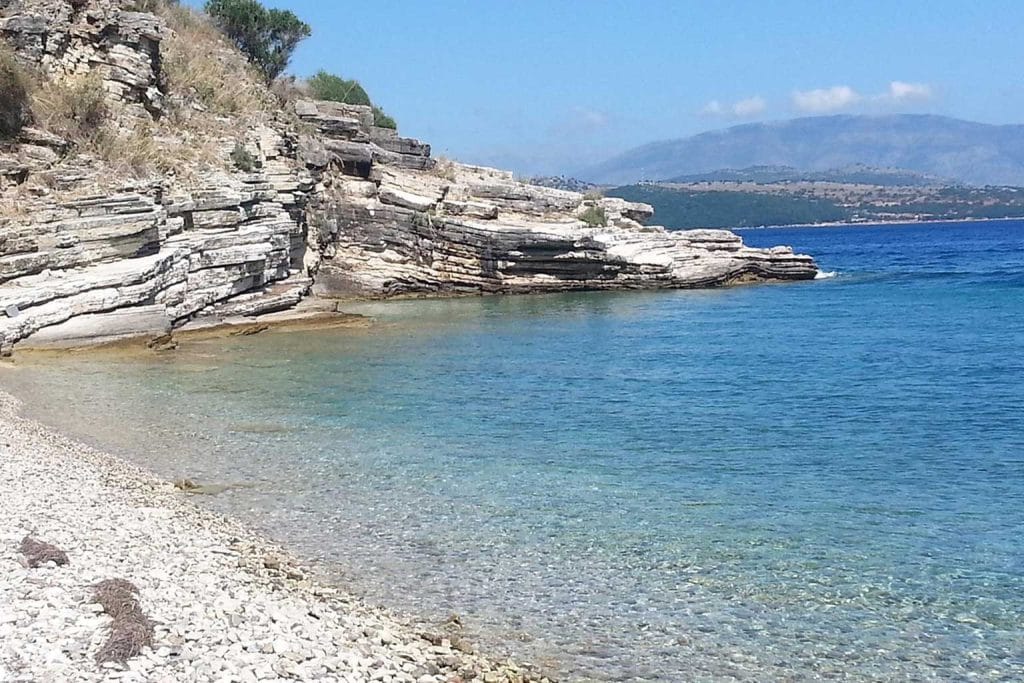
Access: Shore entry from pebble beach. Rocky areas require careful navigation. Water shoes recommended. Kayak rental allows exploring headlands.
Best spots: Rocks extending from southern headland concentrate marine life. Deeper areas beyond swimming zone offer advanced snorkeling. Seagrass beds between rocks harbor small fish.
Timing: Calm mornings ideal. Protected position usually maintains good conditions. Summer months offer warmest water (24-26°C).
Safety: Boat traffic minimal but remain aware. Deep areas require confident swimming. Exit points limited by rocks.
Kalami Beach: Literary Waters
Lawrence Durrell’s famous beach combines cultural history with excellent snorkeling along rocky shores.
Underwater features: Pebble slopes transition to rocky reef. Depth gradually increases to 10-15 meters. Underwater boulders create fish habitat. Good visibility year-round.
Marine life: Bream, wrasse, and damselfish common. Occasional squid in deeper areas. Small octopus hide under rocks. Mediterranean moray eels in crevices.
Access: Easy shore entry from pebble beach. Protected bay ensures calm conditions. Equipment rental through tavernas. Boat rental available.
Best spots: Rocky areas at bay edges. Deeper water toward bay center. Scattered boulders create interesting topography.
Timing: Morning offers clearest water. Afternoon sun illuminates underwater features beautifully. September-October provides warm water with reduced crowds.
Character: Intimate bay atmosphere. Literary connection adds cultural dimension. Excellent tavernas for post-snorkel dining.
Porto Timoni: Double Bay Adventure
The famous double beach provides unique snorkeling experiencing two different underwater environments.
Underwater features: Rocky coastline creates dramatic underwater cliffs. Crystal-clear water reveals depths to 20+ meters. Different conditions on each bay side.
Marine life: Diverse fish populations. Clear water allows observing behavior. Occasional dolphins pass through area. Seabirds diving create surface activity.
Access: Requires 30-minute hike from Afionas. Bring all equipment. No rentals or facilities. Remote location ensures pristine conditions.
Best spots: Rocky points separating bays. Deeper water on exposed side. Sheltered bay for beginners.
Timing: Morning hike avoids heat. Plan several hours for snorkeling and rest. Consider full-day adventure with picnic.
Considerations: No shade or facilities. Bring plenty water. Remote location means self-sufficiency essential.
Best Scuba Diving Sites
Erikoussa Wreck: Advanced Adventure
This cargo ship wreck north of Corfu offers Corfu’s most dramatic dive site.
Dive details: Depth 28-42 meters. Advanced certification required. Wreck mostly intact. Penetration possible with proper training. Current can be strong.
Marine life: Wreck attracts large fish populations. Grouper, barracuda, and amberjack common. Octopus inhabit structure. Schools of damselfish surround wreck.
Visibility: Usually excellent (25-30 meters). Clear water reveals entire wreck. Summer months offer best conditions.
Access: Boat dive from Corfu Town or Sidari. Journey 60-90 minutes depending on departure point. Multi-dive trips recommended.
Safety: Experienced divers only. Current assessment crucial. Proper dive planning essential. Decompression stops required.
Operators: Several Corfu dive centers organize trips. Advanced booking essential. Season runs May-October.
Cathedral Cave: Underwater Architecture
This massive underwater cave system offers unique diving experience.
Dive details: Depth 15-25 meters. Advanced Open Water sufficient. Large chambers with light penetration. Multiple entries/exits. Spectacular formations.
Features: Natural columns create cathedral effect. Light beams through openings. Smooth rock formations. Safe exploration for qualified divers.
Marine life: Cave-dwelling species including lobster. Grouper frequent cave entrances. Nudibranchs on rock surfaces. Sweeper fish in shadows.
Visibility: Excellent within cave (20+ meters). Light penetration creates dramatic effects. Underwater photography opportunity.
Access: Boat dive from various locations. Often combined with other sites. Multi-dive packages available.
Safety: Overhead environment requires training. Stay within light zone without cave certification. Follow guide recommendations.
Afionas Wall: Dramatic Drop-Off
Steep underwater wall creates impressive diving topography.
Dive details: Depth 12-40+ meters. Suitable for all certification levels at different depths. Wall descends dramatically. Multiple depth options.
Features: Vertical rock face with overhangs. Cracks and crevices harbor marine life. Sponges and soft corals. Dramatic underwater landscape.
Marine life: Grouper on wall face. Schools of bream and sea bream. Occasional moray eels. Nudibranchs and small crustaceans.
Visibility: Consistently excellent (25-30 meters). Blue water creates stunning photography. All seasons offer good diving.
Access: Boat dive. Relatively short journey from northwest ports. Often first dive on multi-dive trips.
Versatility: Beginners stay shallower (12-18 meters). Advanced divers explore deeper sections. Something for everyone.
Mathraki Reef: Island Adventure
Offshore island diving offers pristine conditions and abundant marine life.
Dive details: Depth 8-25 meters. Open Water certification sufficient. Rocky reef system. Gentle currents. Easy diving conditions.
Features: Extensive reef with varied topography. Boulders create swim-throughs. Sandy patches between rocks. Natural diversity.
Marine life: Healthy fish populations. Grouper, bream, wrasse abundant. Octopus common. Occasional rays on sandy areas.
Visibility: Excellent (25-35 meters). Remote location ensures clean water. Minimal boat traffic.
Access: Full-day boat trip from Corfu. Often includes multiple dives and beach time. Diapontia Islands exploration.
Character: Remote, pristine diving. Feels like undiscovered waters. Relaxed pace with extended surface intervals.
Marine Life Identification Guide
Common Fish Species
Painted Comber: Colorful reef fish with vertical bands. 10-15 cm length. Curious and approachable. Common on rocky reefs.
Ornate Wrasse: Brilliant colors including blues, greens, yellows. 8-12 cm. Males especially colorful. Active swimmers.
Damselfish: Dark colored, territorial fish. 10-15 cm. Guard nesting areas aggressively. Very common.
Mediterranean Rainbow Wrasse: Striking rainbow coloration. Males particularly vibrant. 15-20 cm. Rocky habitat specialists.
White Sea Bream: Silver fish often in schools. 20-30 cm. Common around rocks. Wary of divers.
Dusky Grouper: Large predator up to 1 meter. Brown coloration. Inhabit caves and overhangs. Protected species.
Barracuda: Sleek predator up to 1.5 meters. Silver with dark bars. Open water species. Sometimes school.
Flying Gurnard: Unique fish with wing-like pectoral fins. 30-40 cm. Sandy bottom dweller. Spectacular when “flying.”
Invertebrates and Other Marine Life
Common Octopus: Master of camouflage. 60-90 cm. Hide in crevices. Intelligent and curious. Most active at dusk.
Mediterranean Moray Eel: Snake-like fish in rock crevices. Up to 1.5 meters. Look threatening but generally harmless. Don’t put hands in holes.
Loggerhead Sea Turtle: Occasional visitor to bays. Protected species. Don’t approach or touch. Report sightings to conservation groups.
Spiny Lobster: Large crustacean in caves. Red-brown color. Long antennae. Protected, no collecting allowed.
Sea Urchins: Black spiny spheres on rocks. Painful if stepped on. Wear water shoes in rocky areas.
Nudibranchs: Colorful sea slugs. Small (2-5 cm). Diverse species. Photographers’ favorite subjects.
Maintaining Standards
Continuous monitoring: Beach management conducts ongoing checks. Water samples collected regularly. Facilities inspected daily. Staff trained continuously.
Visitor feedback: Complaint systems address concerns. Improvement suggestions considered. Public input valued.
Environmental adaptation: Climate change responses implemented. New sustainability practices adopted. Standards evolve with environmental science.
Community involvement: Local residents participate in beach management. Environmental groups consulted. Educational programs include schools.
Diving & Snorkeling Operators
Recommended Dive Centers
Corfu Diving Center (Paleokastritsa): PADI 5-Star facility. All certification levels. Daily boat dives. Equipment rental. Multi-lingual instructors.
Waterhoppers Diving (Agios Gordios): SSI certification. Beginner-friendly. Small groups. Personalized service. Beach and boat dives.
Diving Center Corfu (Dassia): Established operator. PADI courses. Daily departures. Technical diving available. Nitrox fills.
Calypso Diving (Kassiopi): Northeast specialist. Small groups. Personalized service. Local site knowledge. Family-friendly.
Snorkeling Equipment Rental
Most organized beaches offer basic snorkeling equipment rental (mask, snorkel, fins) for €10-15 per day. Quality varies significantly:
Premium locations: Paleokastritsa, Agni Bay offer well-maintained equipment. Prescription mask options sometimes available.
Standard beach rentals: Adequate equipment but check fit carefully. Clean masks before use. Bring own mouthpiece for hygiene.
Water sports centers: Often better equipment than basic beach rentals. Professional staff ensure proper fit.
Hotel facilities: Many hotels provide complimentary snorkeling gear. Quality varies. Check condition before using.
Safety Considerations
Snorkeling Safety
Buddy system: Never snorkel alone, especially in remote locations. Stay within visual contact. Agree on hand signals.
Entry/exit points: Identify before entering water. Rocky areas can be challenging. Plan exit while fresh.
Boat traffic: Stay close to shore in busy areas. Use bright snorkel, consider safety float. Surface carefully.
Current awareness: Ionian currents generally mild but respect conditions. Don’t fight strong current. Signal for help early if needed.
Sun protection: UV penetrates water. Wear rashguard or wetsuit. Waterproof sunscreen on exposed areas.
Hydration: Snorkeling dehydrates more than expected. Drink water regularly. Avoid alcohol before water activities.
Diving Safety
Certification limits: Dive within training and experience. Don’t exceed depth limits. Skip dives feeling uncomfortable.
Equipment checks: Pre-dive buddy checks mandatory. Ensure regulator function. Check pressure gauge.
Dive planning: Establish maximum depth and time. Plan decompression stops. Communicate plan clearly.
Emergency procedures: Know ascent protocols. Locate nearest decompression chamber (Corfu Hospital). Carry insurance covering diving.
Physical fitness: Assess health honestly. Certain conditions contraindicate diving. Medical clearance for concerns.
Local conditions: Respect operator advice about sites and timing. Weather can change quickly. Be flexible.
Best Seasons for Underwater Exploration
May-June: Water warming (18-22°C). Excellent visibility. Marine life active. Fewer divers. Spring plankton bloom attracts fish.
July-August: Warmest water (24-27°C). Peak visibility. Busiest season. Book ahead. All operators running.
September-October: Still warm (22-24°C). Reduced crowds. Excellent conditions. Extended good weather. Preferred by many.
November-April: Cooler water (15-18°C). Wetsuit essential. Reduced operator schedules. Some sites inaccessible. Experienced divers only.
VforVIP Diving Transport
Our electric van service provides convenient transport to diving locations:
Equipment transport: Spacious vans accommodate dive gear, wetsuits, tanks. No cramming equipment into small cars.
Multiple locations: Visit different dive centers or shore dive sites in single day. Flexibility for weather changes.
Post-dive comfort: Relax during transport. No driving after diving. Safe surface interval between dives and travel.
Dive center coordination: We work with local operators. Drop-off and pickup timing arranged. No rushing.
Snorkeling tours: Custom itineraries visiting multiple snorkeling spots. Equipment storage in van. Flexible timing.