
Tourism brings economic benefits to Corfu while creating environmental pressures and cultural impacts requiring thoughtful management from both authorities and individual travelers. Sustainable tourism practices help preserve the island’s natural beauty and cultural authenticity for future generations while supporting local communities equitably rather than extracting value without returning benefits. Understanding how tourism choices affect destinations empowers travelers to minimize negative impacts and maximize positive contributions through accommodation selections, transportation decisions, consumption patterns, and respectful cultural engagement. This guide explores practical sustainable travel approaches specific to Corfu’s context.
Environmental Challenges Facing Corfu
Mass tourism concentrates pressure on fragile coastal ecosystems with overdevelopment threatening natural habitats, beach erosion from excessive use and poorly planned construction, and water resources strained by tourist consumption far exceeding local needs. The Mediterranean ecosystem evolved without current visitor numbers, with carrying capacity exceeded in popular areas during peak season. Waste management systems designed for thirty thousand residents struggle handling triple that population during August, creating disposal challenges visible in overflowing bins and occasional illegal dumping.
Single-use plastics pervade tourism infrastructure with bottled water, disposable coffee cups, and plastic bags creating waste streams Greek recycling infrastructure inadequately processes. Marine pollution affects water quality and wildlife with plastic debris, sunscreen chemicals, and sewage discharge when treatment systems overwhelm during peak periods. Vehicle emissions from rental cars, tour buses, and boats contribute air pollution particularly noticeable in confined spaces like Corfu Town’s narrow streets where traffic concentrates.
Climate change creates longer-term threats with rising sea levels threatening coastal infrastructure, changing weather patterns affecting agriculture and water availability, and increasing wildfire risk during extended dry periods. The tourism industry itself contributes to climate change through air travel emissions, energy consumption in hotels, and resource-intensive operations, creating feedback loops where tourism both causes and suffers from environmental degradation.
Choosing Sustainable Accommodation
Small locally-owned hotels and guesthouses typically demonstrate lighter environmental footprints than large resort chains while ensuring tourism revenue benefits local families directly rather than international corporations extracting profits offshore. These properties often maintain traditional architecture respecting cultural heritage, employ local staff supporting community employment, and source food and supplies from area producers strengthening regional economies. The trade-off sometimes involves fewer amenities than luxury resorts, though many travelers find authentic character compensates for missing features.
Properties with environmental certifications or visible sustainability practices including solar panels for water heating, energy-efficient lighting and appliances, water conservation measures like low-flow fixtures and towel reuse programs, waste separation and recycling systems, and local organic food sourcing demonstrate commitment beyond greenwashing marketing. Asking properties specific questions about their environmental practices helps distinguish genuine efforts from superficial claims, with transparent detailed answers indicating authentic commitment while vague responses suggest primarily marketing positioning.
Traditional stone houses converted to tourist accommodation often provide inherently sustainable options with thick walls providing natural insulation reducing air conditioning needs, smaller scales limiting resource consumption, and renovation preserving architectural heritage rather than demolishing for new construction. These properties scattered through villages and rural areas also distribute tourism benefits beyond concentrated resort zones, supporting communities that might otherwise see limited economic advantages from visitor spending.
Transportation and Carbon Footprint
The flight to Corfu represents most travelers’ largest single carbon emission, with return flights from northern Europe producing approximately one to two tons of CO2 per passenger depending on distance and aircraft efficiency. This reality doesn’t mean avoiding travel entirely, but acknowledging the impact and offsetting through verified carbon offset programs, extending trip duration to justify emissions through longer stays rather than multiple short trips, and choosing direct flights when possible as takeoff and landing consume disproportionate fuel.
Once in Corfu, transportation choices significantly affect environmental impact with walking and cycling producing zero emissions while providing health benefits and intimate destination engagement, public buses offering efficient group transport though with limited routes and schedules, and rental cars providing flexibility while generating emissions and contributing to traffic congestion. Electric vehicle adoption in rental fleets remains limited though gradually expanding, with VforVIP’s electric van service representing commitment to emissions reduction while maintaining convenience and comfort.
Boat trips popular for island hopping and coastal exploration vary in environmental impact with large ferry operations achieving efficiency through scale while smaller private boats burn fuel less efficiently per passenger. Choosing operators with newer more efficient engines, avoiding unnecessarily long trips, and combining multiple destinations in single outings rather than separate trips reduces cumulative impact. Sailing rather than motor vessels eliminates emissions during actual sailing though often rely on engines for maneuvering and calm conditions.
Supporting Local Economy and Culture
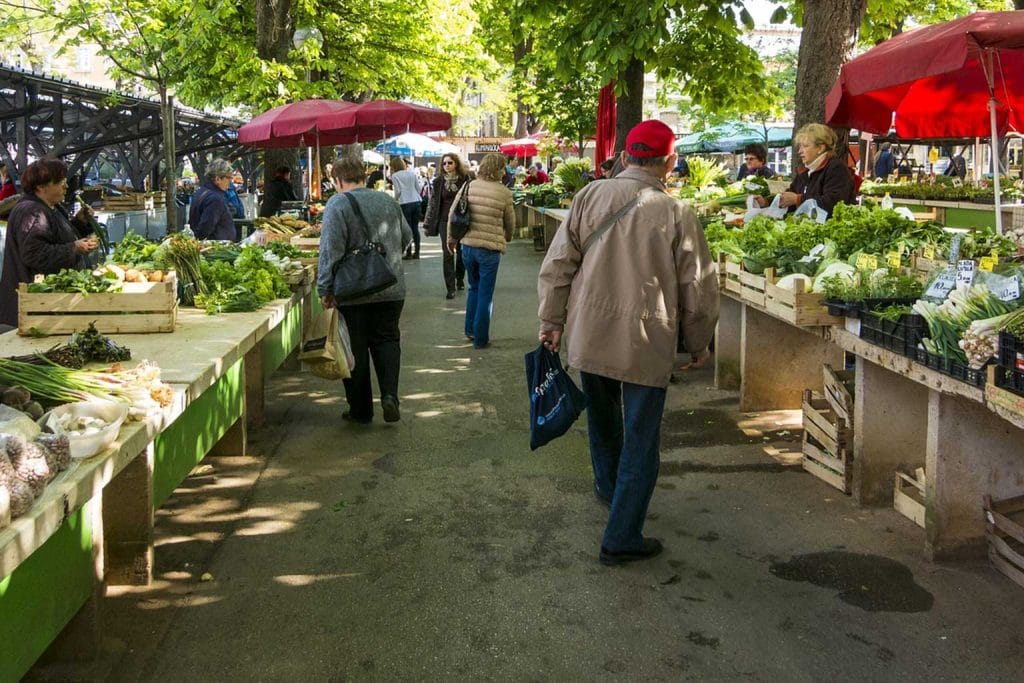
Eating at family tavernas rather than international chain restaurants ensures money supports local producers and traditional recipes rather than corporate profits and standardized menus. Purchasing directly from farmers at markets and from local producers at shops and cooperatives eliminates intermediary markups while supporting traditional agriculture. Seeking authentic experiences like village festivals, traditional craft workshops, and family-run attractions provides income to regular Corfiots rather than only tourism industry professionals.
Learning basic Greek phrases demonstrates respect for local culture while enhancing interactions, with even minimal language efforts appreciated by Greeks who recognize difficulty outsiders face with their complex language. Respecting local customs around religious sites, dress codes, and social etiquette shows cultural sensitivity maintaining positive relationships between residents and visitors. Understanding Greek meal timing, siesta hours, and social patterns helps visitors align with rather than disrupting local rhythms.
Avoiding haggling aggressively or seeking unreasonably cheap prices recognizes fair compensation for goods and services, with the modest savings obtained through aggressive bargaining often coming at expense of craftspeople and small business owners operating on thin margins. Tipping appropriately in restaurants and for services acknowledges work quality while supporting service industry workers who often receive modest wages supplemented by gratuities.
Minimizing Plastic and Waste
Bringing reusable water bottles and refilling from taps or filtered water stations eliminates plastic bottle waste, with Corfu tap water generally safe though some prefer filtering systems or designated refill stations many accommodations now provide. Reusable shopping bags, coffee cups, and food containers reduce single-use plastic consumption, with many businesses now welcoming if not actively encouraging reusable containers. Refusing plastic straws, unnecessary packaging, and excessive wrapping when shopping helps signal consumer preferences for reduced waste.
Properly disposing of waste according to Greek recycling systems though admittedly limited separates recyclables from general waste when possible and never littering beaches, trails, or public spaces maintains environmental quality. Participating in beach cleanups organized by environmental groups during visits contributes directly to conservation while connecting with like-minded travelers and engaged locals. Cigarette butts represent particularly problematic litter with filters containing plastics persisting in environment for years and toxins leaching into water and soil affecting wildlife.
Choosing reef-safe sunscreen protects marine ecosystems from harmful chemicals, with conventional sunscreen ingredients damaging coral and affecting fish populations. Products labeled reef-safe or using mineral-based active ingredients like zinc oxide and titanium dioxide provide effective protection without ecological harm. Timing beach activities to reduce sunscreen need altogether through early morning or late afternoon swimming when UV intensity decreases combines environmental protection with skin health benefits.
Respecting Natural Areas and Wildlife
Staying on marked trails when hiking prevents erosion and habitat damage, with shortcuts and trail-widening through repeated off-path walking contributing to environmental degradation particularly in fragile coastal and mountain ecosystems. Following regulations in protected areas including Lake Korission nature reserve where restrictions protect sensitive wetland ecosystems supporting diverse bird populations and unique plant communities. Not disturbing wildlife through excessive approach, feeding, or harassment allows animals to maintain natural behaviors essential for survival and reproduction.
Beach nesting sites for sea turtles require particular care with turtle protection organizations marking nests and requesting visitors avoid disturbing areas during nesting and hatching seasons from May through October. Loggerhead sea turtles face numerous threats with human beach activity representing significant pressure on already vulnerable populations. Respecting marked areas, avoiding nighttime beach use with lights during turtle season, and reporting turtle sightings to conservation organizations assists protection efforts.
Removing nothing except photographs and leaving nothing except footprints applies across natural areas, with collecting shells, rocks, plants, or other natural materials diminishing environments for future visitors and potentially disrupting ecosystems. The cumulative impact of millions of visitors each taking small souvenirs creates substantial environmental pressure. Supporting conservation through donations to environmental organizations working in Corfu and Greece contributes to protection efforts while demonstrating values through financial commitment.
Water Conservation
Mediterranean water scarcity becomes acute during summer when tourist demand peaks coinciding with lowest precipitation and highest temperatures. Taking shorter showers, reusing towels multiple days, and reporting leaks to accommodation providers reduces personal consumption. Avoiding daily linen changes when staying multiple nights saves enormous water and energy consumed in laundering, with most hotels now offering opt-in programs for reduced cleaning frequency.
Choosing meals with lower water footprints recognizes that meat production requires vastly more water than plant-based foods, with Mediterranean diet’s vegetable emphasis naturally aligning with conservation. Greek cuisine’s traditional reliance on legumes, vegetables, and modest meat portions provides delicious environmentally friendly options without requiring dietary changes beyond what local food culture already offers. Selecting seasonal local produce rather than imported items reduces water consumed in growing and transporting food.
VforVIP Sustainable Tourism Commitment
Our electric van service demonstrates environmental commitment through zero-emission transport reducing carbon footprint compared to conventional vehicles, support for local businesses through partnership with family tavernas and small producers, environmental education explaining conservation challenges and sustainable practices, and efficient route planning minimizing unnecessary driving while maximizing meaningful experiences. We believe luxury and sustainability need not conflict, with our service proving that comfortable travel can align with environmental responsibility.