
Table of Contents
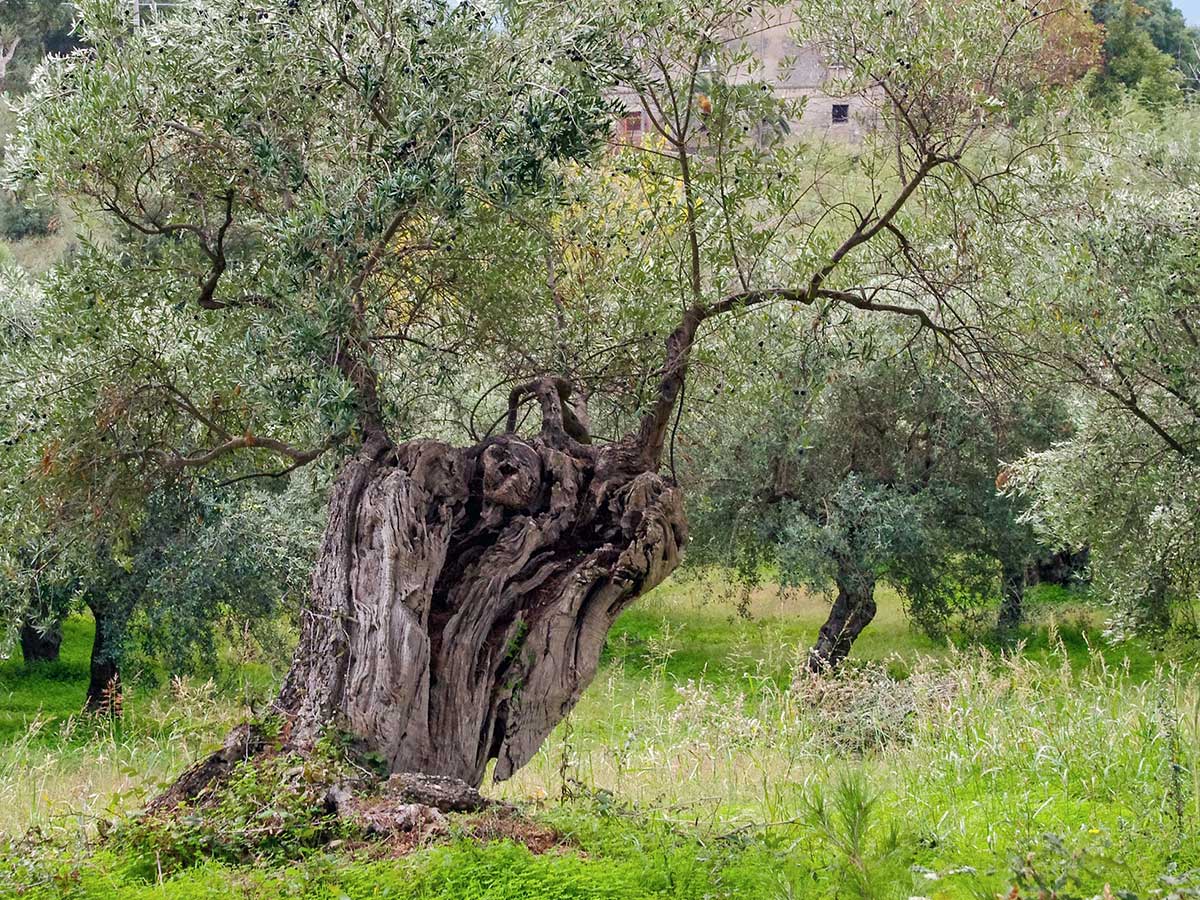
Corfu’s landscape is defined by olive trees, over 4 million of them carpeting the island from coast to mountain peak. These silver-green groves represent more than agriculture; they embody centuries of economic survival, cultural identity, and ecological wisdom. Corfiot olive oil, produced from indigenous varieties using methods passed through generations, offers distinctive flavors reflecting the island’s unique terroir. Understanding this liquid gold reveals essential aspects of Corfu’s soul.
The Venetian Legacy: When Olive Trees Became Currency
The Republic of Venice transformed Corfu’s agricultural landscape during its 400-year rule (1386-1797). Recognizing olive oil’s strategic and economic value, Venetian administrators implemented policies encouraging massive olive cultivation. The most significant policy offered financial incentives: Venetians paid Corfiot farmers for every olive tree planted, sometimes offering gold coins per tree. This economic stimulus created explosion in olive cultivation, transforming Corfu into one of the Mediterranean’s most densely planted olive regions.
Venetian regulations protected olive groves rigorously. Cutting productive olive trees without authorization carried severe penalties, sometimes death. This legal protection ensured groves survived wars, famines, and political upheavals, creating the ancient landscape visible today.
Economic importance
Olive oil became Corfu’s primary export, shipped throughout the Venetian empire and beyond. Families measured wealth by olive tree ownership, and dowries often included specific grove parcels. This economic structure persisted through British and Greek rule into the modern era.
Corfu's Indigenous Olive Varieties
Unlike mainland Greece where Koroneiki olives dominate, Corfu cultivates distinctive local varieties adapted to the island’s microclimate.
Lianolia: The predominant Corfiot variety, named for its thin (liano) oil production. These medium-sized olives produce delicate, fruity oil with low acidity and subtle peppery finish. Lianolia trees grow large with spreading canopies, some specimens exceeding 500 years old.
Characteristics: Golden-green color, mild flavor profile, excellent for raw consumption (drizzling over salads, vegetables, fish). Lower polyphenol content than robust mainland varieties makes it gentler on the palate but reduces shelf life compared to Koroneiki.
Cultivation: Lianolia thrives in Corfu’s humid climate and fertile soil. The variety resists certain diseases better than other types but requires careful timing for optimal harvest.
Other varieties: Small percentages of Koroneiki, Agrielia (wild olive), and Manaki supplement Lianolia in some groves. Blending creates complexity in artisan oils.
Traditional Harvest Methods
Olive harvest (late October through January) remains Corfu’s most important agricultural event, mobilizing entire families and communities.
Hand-picking: Traditional method involves spreading nets beneath trees and hand-picking olives or gently beating branches with wooden sticks. This labor-intensive approach prevents damage to both fruit and trees, yielding highest quality oil.
Timing: Harvest timing critically affects oil characteristics. Early harvest (October-November) produces greener, more robust oil with higher polyphenols. Late harvest (December-January) yields milder, golden oil with buttery notes.
Family tradition: Harvest brings together multiple generations. Grandparents direct operations while grandchildren help collect fallen olives. Traditional songs, shared meals, and storytelling during harvest breaks maintain cultural continuity.
Modern adaptations: Some commercial producers use mechanical shakers and vacuum harvesters for efficiency. However, family groves typically maintain hand-harvesting traditions, valuing quality over quantity.
From Grove to Bottle: Traditional Production
Cleaning and sorting: Fresh olives are washed and sorted, removing leaves, twigs, and damaged fruit. Quality producers process olives within 24 hours of harvest, preventing oxidation and fermentation that degrade flavor.
Crushing: Traditional stone mills (still operating in some villages) slowly crush olives into paste. Modern hammer mills or disc crushers work faster but generate heat requiring temperature control. The paste includes flesh, pits, and skin, all contributing to final oil character.
Malaxation: Paste is slowly mixed (30-40 minutes) allowing tiny oil droplets to combine into larger ones that separate more easily. Temperature must stay below 27°C (80°F) to qualify as “cold-pressed” extra virgin oil. Skilled producers adjust malaxation time based on olive maturity and desired flavor intensity.
Separation: Centrifugal separators spin the paste, using density differences to separate oil from water and solid pomace. Traditional hydraulic presses stacked paste-filled mats, squeezing oil out through pressure alone. A few artisan producers maintain these ancient presses for premium batches.
Settling and filtering: Fresh oil contains suspended particles and water droplets. Some producers bottle immediately after light filtering, preserving maximum flavor and nutrients. Others allow natural settling in stainless steel tanks for 2-3 weeks before bottling, creating clearer oil with extended shelf life.
What Makes Corfiot Olive Oil Special
Climate influence: Corfu’s higher rainfall (compared to mainland Greece) and humid conditions produce olives with different water content and sugar levels, affecting oil composition. The maritime climate moderates temperature extremes, allowing slower olive maturation.
Soil composition: Varied geology from limestone hills to clay valleys contributes mineral complexity. Ancient groves’ deep root systems access nutrients creating layered flavors impossible in young plantations.
Biodiversity: Traditional polyculture groves intermix olives with wild herbs, fruit trees, and flowering plants. This biodiversity influences olive tree health and potentially oil’s aromatic complexity through soil microbiome interactions.
Low-intensity cultivation: Most Corfiot groves receive minimal chemical inputs. The humid climate naturally controls some pests, while traditional pruning and soil management maintain tree health organically.
Flavor profile: Quality Corfiot oil presents medium fruitiness with hints of fresh grass, artichoke, and almond. The finish carries gentle pepper and pleasant bitterness, indicators of healthy polyphenols. Compared to intense Cretan or Peloponnesian oils, Corfiot oil offers subtlety and balance.
Health Benefits and Nutritional Properties
Extra virgin olive oil stands as the Mediterranean diet’s cornerstone, credited with numerous health benefits supported by extensive research.
Monounsaturated fats: Olive oil contains 70-80% oleic acid, a monounsaturated fatty acid that supports cardiovascular health by improving cholesterol profiles.
Polyphenols: These powerful antioxidants combat inflammation and oxidative stress. Fresh, high-quality oil contains higher polyphenol levels, particularly oleuropein and oleocanthal.
Vitamins: Natural vitamin E and K content supports various bodily functions from blood clotting to skin health.
Anti-inflammatory properties: Oleocanthal produces the distinctive throat “tickle” in quality oil and demonstrates anti-inflammatory effects similar to ibuprofen in laboratory studies.
Brain health: Regular olive oil consumption associates with reduced cognitive decline and lower Alzheimer’s disease risk in multiple studies.
Usage tips: Consume oil raw (salad dressings, drizzling) to preserve maximum nutrients. Gentle cooking (under 190°C/375°F) maintains most beneficial compounds. Avoid smoking point (210°C/410°F) where degradation accelerates.
Visiting Olive Groves and Mills
Several traditional mills and estates welcome visitors for tours and tastings.
Governor Olive Mill Museum (Kinopiastes village): Housed in a restored 17th-century Venetian mansion, this museum displays traditional olive oil production equipment including massive stone wheels, wooden presses, and ceramic storage vessels. Guided tours explain historical production methods. The estate shop sells premium oil from surrounding ancient groves.
The Olive Wood Shop (Corfu Town): While primarily selling handcrafted olive wood items, this family business offers olive oil education and tasting. The owners explain wood and oil production connections, sharing multi-generational knowledge.
Private estate visits: Several family olive farms offer tours by appointment. These intimate experiences include grove walks among centuries-old trees, production demonstrations during harvest season, and comparative tastings of different harvest times and varieties.
What to expect: Tours typically last 1-2 hours, covering olive cultivation history, tree care practices, production processes, and sensory evaluation techniques. Tastings teach identifying quality indicators through aroma, flavor, and mouthfeel assessment.
How to Taste Olive Oil Like a Professional
Visual assessment: Pour small amount into clear glass. Quality oil appears golden-green to deep green. Cloudiness in fresh oil is acceptable (particles will settle). Avoid oils that look overly pale or murky.
Aroma evaluation: Cup glass in hands, warming oil slightly. Cover top with one hand and swirl gently. Remove cover and inhale deeply. Fresh oil smells fruity, grassy, or herbaceous. Musty, rancid, or flat aromas indicate defects.
Taste testing: Take small sip, drawing air through lips to aerate oil across entire palate. Quality oil tastes fruity with complexity (tomato, artichoke, almond notes common). Bitterness and peppery finish indicate fresh, polyphenol-rich oil. Greasy, flat, or sour flavors reveal poor quality or age.
Cleanse palate: Between tastings, nibble plain bread or apple slices and sip water to reset taste buds.
Buying Authentic Corfiot Olive Oil
What to look for:
Harvest date: Essential information often missing from commercial bottles. Oil is best within 12-18 months of harvest. Avoid bottles showing only “best before” dates without harvest information.
Origin certification: PDO (Protected Designation of Origin) status guarantees genuine Corfiot production, though many excellent small producers lack official certification.
Packaging: Dark glass bottles or tin containers protect oil from light degradation. Avoid clear plastic bottles.
Acidity level: Extra virgin designation requires free acidity below 0.8%. Premium oils achieve 0.2-0.3%. Lower acidity generally indicates better quality and fresher fruit.
Single estate vs. blended: Estate oils offer terroir expression and traceability. Commercial blends provide consistency but less character.
Where to buy: Directly from producers ensures freshness and fair pricing. Corfu Town’s traditional shops stock quality local oils. Airport and tourist shop oils often lack harvest dates and freshness guarantees.
Olive Oil in Corfiot Cuisine
Corfiot cooking uses olive oil generously, both in cooking and as finishing condiment.
Traditional dishes showcasing olive oil:
Ladolemono: Simple sauce of olive oil and lemon juice served with grilled fish or vegetables
Horta: Boiled wild greens dressed generously with olive oil and lemon
Sofrito: Requires quality oil for the characteristic sauce base
Savoro: Uses oil for frying and in the marinade
Bread dipping: Crusty bread with high-quality olive oil, sea salt, and oregano makes simple perfection
Sustainable Transport to Olive Experiences
VforVIP’s electric van service connects visitors with authentic olive oil experiences throughout Corfu. We arrange:
– Visits to family-owned groves and traditional mills
– Harvest season participation experiences (October-January)
– Cooking classes incorporating fresh local oil
– Combined itineraries visiting multiple producers
– Comfortable transport through rural areas on narrow mountain roads
Our zero-emission vehicles align perfectly with sustainable agriculture values, ensuring your exploration of Corfu’s agricultural heritage respects environmental principles these ancient groves embody.