

Table of Contents
While Corfu offers endless exploration possibilities, the surrounding smaller islands provide irresistible day-trip destinations. Paxos and tiny Antipaxos, floating just south of Corfu, showcase the Ionian Sea at its most pristine: turquoise waters so clear they seem artificial, white pebble beaches framed by dramatic cliffs, and traditional Greek island life operating at peaceful rhythms. Combined with boat tours through spectacular sea caves, these excursions offer unforgettable Mediterranean experiences accessible within a single day.
Getting There: Departure Points and Boat Options
Main departure ports:
Corfu Town New Port: Daily ferries and hydrofoils depart for Paxos, journey time 1-2 hours depending on vessel type.
Regular ferry services accommodate vehicles but most day-trippers choose faster passenger-only hydrofoils.
Kavos (South Corfu): Closer to Paxos, this southern port offers shorter crossing times (45 minutes) with smaller tour boats. Popular departure point for combined Paxos/Antipaxos/Blue Caves excursions.
Paleokastritsa: Some tour operators run direct boat trips from this northwest coast resort, combining Blue Caves exploration with Paxos visits.
Boat types
Regular ferries: Economical, slower, suitable for travelers wanting flexible exploration time on Paxos
Hydrofoils: Fast, comfortable, more expensive, ideal for maximizing island time
Organized tour boats: Include guide commentary, planned itinerary, sometimes meals, less freedom but hassle-free
Private charters: Ultimate flexibility and luxury, considerably more expensive, perfect for groups or special occasions
Paxos: The Sophisticated Small Island
Paxos stretches just 10 kilometers long and 4 kilometers wide, yet packs remarkable diversity into its modest footprint. Olive groves covering the interior (over 300,000 trees) create a silver-green landscape contrasting beautifully with azure coastal waters.
Gaios: The Charming Capital
The main port town wraps around a protected harbor facing two small islets: Agios Nikolaos (crowned with a white chapel and Venetian fortress ruins) and Panagia. These natural breakwaters create calm anchorage beloved by luxury yachts.
What to see: Waterfront lined with Venetian-era buildings housing cafes, tavernas, and shops. The central square buzzes with local life, old men playing backgammon under plane trees while children feed ducks in the small park. The Museum of Paxos, housed in a restored mansion, displays local history, traditional costumes, and maritime artifacts.
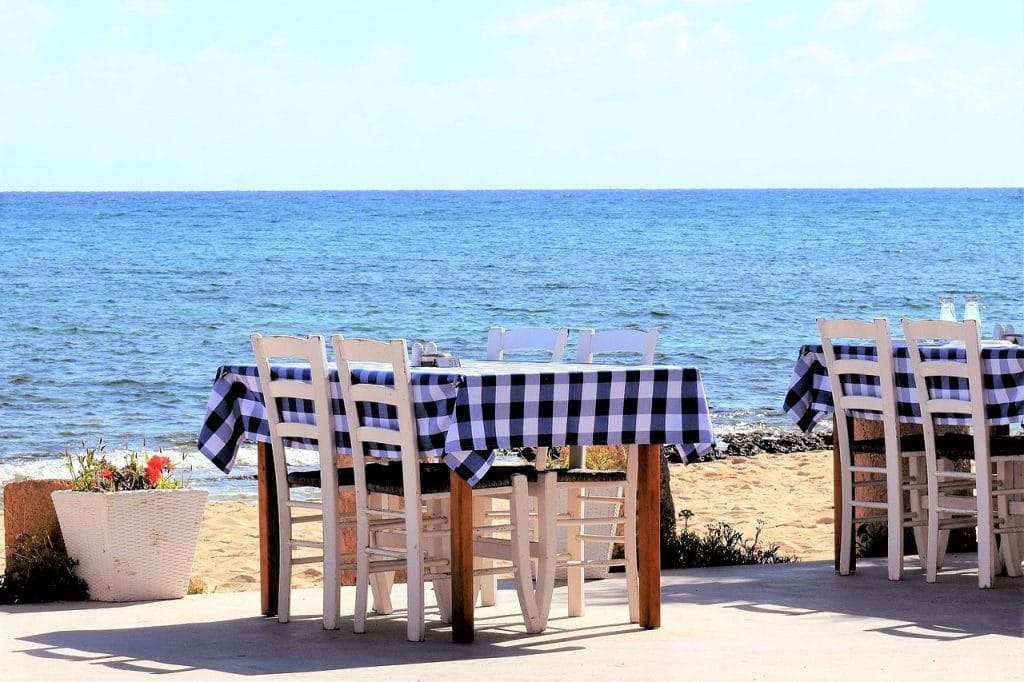
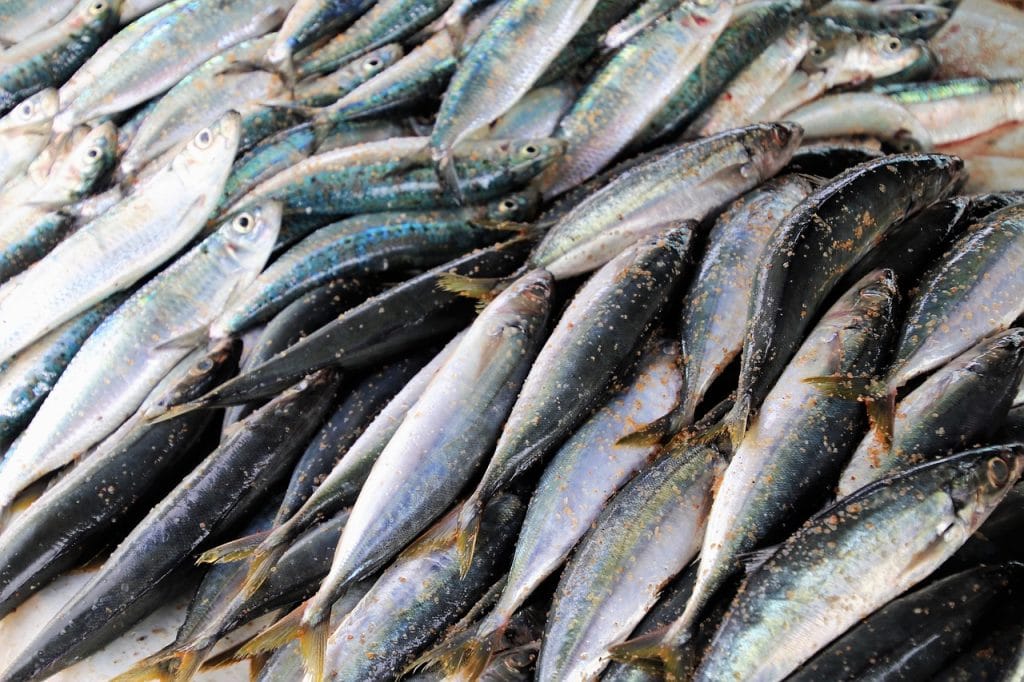
Dining: Waterfront tavernas serve exceptional seafood, often caught that morning. Prices reflect the upscale clientele (many British and Italian villa owners) but quality justifies costs. Try local specialties like sardines prepared Paxiot style or fresh octopus.
Shopping: Boutiques sell handmade jewelry, local olive oil products, and artisan crafts. Quality surpasses typical tourist shop offerings.
Loggos: The Postcard Village
Midway along Paxos’s east coast, this tiny fishing village presents picture-perfect Ionian beauty. Traditional stone houses cascade down hillsides to a miniature harbor where colorful fishing boats bob alongside expensive yachts.
Atmosphere: Quieter than Gaios, Loggos attracts visitors seeking authentic Greek island tranquility. A handful of excellent waterfront tavernas serve traditional cuisine. The village consists of perhaps 200 permanent residents who maintain fishing and olive cultivation alongside tourism.
Activities: Swimming from pebble beaches flanking the harbor, hiking coastal paths to nearby coves, simply sitting harborside watching sailboats navigate the narrow entrance.
Lakka: The Northern Bay
Lakka occupies a stunning horseshoe bay on Paxos’s northern tip. The protected harbor, surrounded by green hills, provides safe anchorage even during rough weather.
Beach options: Several pebble beaches ring the bay, some organized with sunbeds, others completely natural. The water’s clarity and calm conditions suit families with children.
Dining and nightlife: More tavernas and bars than other Paxos villages, creating livelier evening atmosphere without sacrificing charm. Fresh fish, traditional mezze, and local wine at reasonable prices.
Walking trails: Coastal paths connect Lakka to nearby beaches and viewpoints. The hike to Harami Beach (30 minutes) rewards with spectacular scenery and relative solitude.
Antipaxos: Caribbean Waters in Greece
Antipaxos, Paxos’s tiny southern neighbor, measures barely 5 square kilometers with permanent population under 30. What it lacks in size, it compensates with arguably Greece’s most beautiful beaches.
Voutoumi Beach
This crescent of white pebbles facing turquoise-blue water creates scenes rivaling any Caribbean postcard. The beach’s protected position ensures calm waters perfect for swimming and snorkeling. Clarity extends 15-20 meters visibility, revealing sandy seabeds and occasional fish.
Facilities: Two beach tavernas provide sunbeds, umbrellas, and refreshments. Prices are reasonable considering the remote location. Arrive early (before 11 AM) during July-August as the beach fills quickly.
Swimming: The gradual depth increase suits all swimming abilities. Snorkelers explore rocky areas at both ends where marine life concentrates.
Vrika Beach
Adjacent to Voutoumi, Vrika offers similarly stunning conditions with slightly more organization. A small cantina serves drinks and simple food. The beach curves gently, providing multiple spots for spreading towels on smooth pebbles.
Water color: The famous aquamarine hue results from white sand seabeds reflecting sunlight through crystal-clear water. Photographers capture magical effects, especially mid-morning when sunlight angles perfectly.
Reaching Antipaxos beaches: Small water taxis run frequently from Gaios harbor (15 minutes, 10-15 euros return). Tour boats from Corfu typically include Antipaxos stops. Some visitors rent small motorboats in Gaios for independent exploration.
The Blue Caves: Nature’s Cathedral
The spectacular sea caves carved into Paxos’s western cliffs rank among the Ionian’s most impressive natural formations. Centuries of wave action hollowed limestone into cathedral-like chambers where sunlight creates magical blue illumination.
Cave characteristics: Multiple caves punctuate the coastline between Gaios and Lakka. The largest chambers reach 30-40 meters deep with arched entrances tall enough for boats. Inside, reflected light from turquoise water illuminates rock walls in ethereal blue glow.
Best caves
Ypapanti Cave: The largest and most visited, featuring a natural skylight allowing sunlight shafts to illuminate interior waters
Ortholithos Cave: Tall narrow entrance opens into spacious chamber with incredibly clear water
Kastanida Cave: Less visited, offering more intimate experience away from tour boat crowds
Touring the caves: Only accessible by boat. Tour operators provide:
Guided tours: Commentary explaining geological formation, local legends, and marine ecology. Stops for swimming in cave waters.
Photography opportunities: Captains position boats for optimal lighting conditions. The blue illumination creates Instagram-perfect shots.
Swimming: Most tours allow swimming inside or near caves. The water’s depth and clarity create surreal floating sensations.
Best timing: Mid-morning through early afternoon when sunlight angles penetrate caves directly. Calm sea conditions essential for safe cave entry.
Planning Your Day Trip
Half-day options (4-5 hours):
- Ferry to Gaios, explore the capital, lunch, return
- Boat tour focusing only on Blue Caves
- Quick visit to Antipaxos beaches
Full-day options (8-10 hours):
- Ferry to Paxos, visit Gaios and one other village, water taxi to Antipaxos, return
- Organized boat tour combining Paxos port stop, Antipaxos swimming, and Blue Caves exploration
- Private boat charter visiting multiple beaches and caves at your pace
What to bring:
– Swimsuit and towel (multiple swimming opportunities)
– Reef-safe sunscreen (protecting marine ecosystems)
– Water shoes (pebble beaches and rocky cave swimming)
– Underwater camera or waterproof phone case
– Light layers (sea breezes can cool despite summer heat)
– Cash (some small establishments don’t accept cards)
– Seasickness remedies if prone to motion sickness
Costs: Budget 40-80 euros per person for organized tours including transport and guide. Ferry-only tickets cost 15-25 euros return. Private charters start around 400-600 euros for groups up to 8 people.
Sustainable Day Tripping with VforVIP
VforVIP’s electric van service ensures your day trip begins and ends sustainably. We provide:
– Early morning airport or accommodation pick-up timed to ferry departures
– Direct transfer to Corfu Town port, Kavos, or other departure points
– Luggage and beach gear storage if needed
– Return pick-up coordinated with ferry arrival times
– Alternative arrangements if weather cancels boats
– Local knowledge about best tour operators and current sea conditions
Our zero-emission vehicles ensure your journey to and from ports maintains environmental consciousness, complementing the natural beauty you’ll experience on the islands.