
Table of Contents
Corfu’s coastline stretches over 200 kilometers, offering extraordinary variety in beach experiences. From gentle sandy shores perfect for toddlers to dramatic rocky coves with gin-clear water ideal for snorkeling, the island satisfies every swimming preference. Unlike many Greek islands dominated by pebbles, Corfu provides abundant sandy beaches alongside pristine rocky alternatives. This guide identifies the island’s finest swimming destinations, evaluating water quality, facilities, accessibility, and family suitability to help you choose your perfect beach day.
Top Family-Friendly Sandy Beaches
Glyfada Beach: Corfu’s most famous sandy beach combines golden sand with excellent facilities. The gradually sloping seafloor allows children to play safely in shallow water while adults swim further out. Beach bars provide refreshments, umbrellas and sunbeds offer comfort, and lifeguards patrol during summer months. Water sports operators cater to adventure seekers. The beach gets crowded in July-August but remains manageable in June and September. VforVIP transfers from Corfu Airport take approximately 25 minutes.
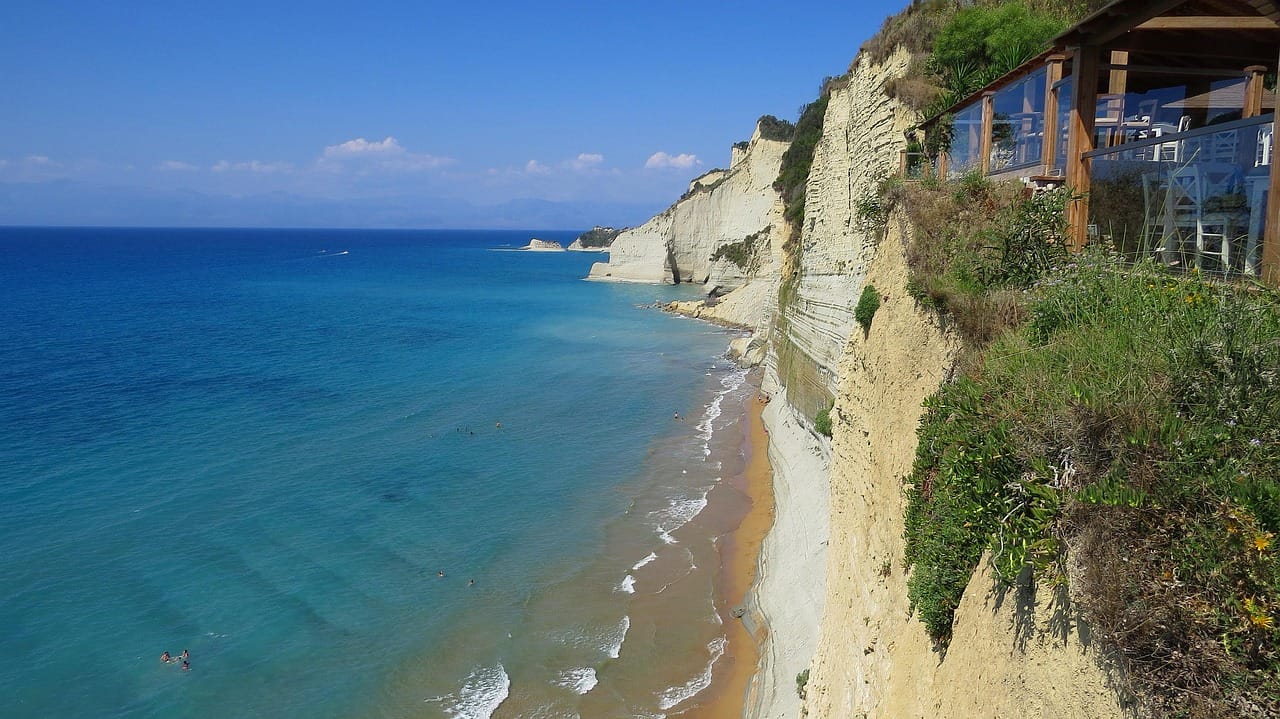
Agios Gordios Beach: This long sandy stretch backed by dramatic cliffs offers family-friendly swimming with spectacular scenery. The southern end features calmer waters protected from winds, ideal for young swimmers. Traditional tavernas line the beachfront, serving fresh seafood and Greek classics. Water remains shallow for considerable distance from shore. Free parking exists but fills early during peak season. The beach inspired Lawrence Durrell’s writing, adding literary significance to natural beauty.
Sidari Beach: Famous for the Canal d’Amour rock formations, Sidari provides sandy swimming areas alongside geological wonders. The main beach offers all facilities including water sports, beach bars, and rental equipment. Shallow water and gentle waves make it excellent for families. Multiple beach sections mean finding space even in high season. The surrounding resort provides abundant accommodation and dining options. VforVIP can arrange custom tours combining beach time with nearby attractions.
Paleokastritsa Main Beach: While smaller than western coast beaches, Paleokastritsa’s main beach offers stunning turquoise water in a protected bay. The beach combines sand and smooth pebbles, with crystal-clear water perfect for snorkeling. Tavernas provide refreshments and changing facilities. Pedal boats and kayaks allow exploration of nearby caves. The beach gets very crowded, so arrive early or visit in shoulder seasons. The monastery above provides cultural interest when beach crowds become overwhelming.
Dassia Beach: This long, organized beach on the northeast coast provides comprehensive facilities including water sports, beach bars, and rental equipment. The gradually deepening water suits all swimming abilities. Nearby hotels and restaurants offer convenience. The beach remains popular with families due to safe swimming conditions and abundant amenities. Water taxis connect to Corfu Town, adding transport variety.
Best Beaches for Crystal Clear Water
Porto Timoni: This unique double beach features two connected coves with water so clear you can see bottom at considerable depth. Accessible only by foot (20-30 minute hike from Afionas village), the beach rewards effort with pristine beauty and relative solitude. No facilities exist, so bring water, snacks, and sun protection. The dramatic setting between two bays creates photographic opportunities. VforVIP can drop you at Afionas village, allowing beach access without driving concerns.
Rovinia Beach: Accessible only by boat or challenging hike, Rovinia remains one of Corfu’s most pristine beaches. The pebble and rock beach surrounds incredibly clear turquoise water. Tavernas operate seasonally, serving fresh seafood to boat arrivals. The remote location preserves natural beauty. Boat taxis run from Agios Georgios Pagon during summer. Pack essentials as facilities remain minimal.
Agni Bay: This small pebble beach on the northeast coast features three excellent tavernas and exceptionally clear water. The intimate cove provides calm swimming conditions and fantastic snorkeling. Boat access from Kassiopi offers scenic approach. The tavernas serve among Corfu’s finest seafood, justifying premium prices with quality and setting. Sunbed rental available through tavernas. Limited parking makes boat or VIP transfer preferable.
Kalami Beach: Made famous by Lawrence Durrell, Kalami combines literary heritage with beautiful swimming. The pebble beach slopes into clear, deep water. The White House where Durrell lived overlooks the bay. Tavernas serve excellent food with sea views. Protected position ensures calm conditions most days. The small beach fills quickly, so arrive early or reserve sunbeds through tavernas.
Kerasia Beach: This hidden gem north of Agios Stefanos offers pebbles, clear water, and tranquility. A small taverna provides refreshments and sunbed rental. The beach remains relatively unknown to mass tourism. Olive groves provide shade alternatives to beach umbrellas. Access requires vehicle or VIP transfer as public transport doesn’t serve this area.
Blue Flag Certified Beaches
Corfu maintains several Blue Flag beaches meeting strict environmental and safety standards:
Glyfada Beach: Annual Blue Flag certification confirms excellent water quality, safety measures, and environmental management. Lifeguards, first aid facilities, and accessibility features for disabled visitors meet international standards.
Sidari Beach: Blue Flag status guarantees clean water, proper waste management, and safety supervision. The beach provides accessible facilities and environmental information.
Ipsos Beach: This organized beach on the east coast maintains Blue Flag standards with comprehensive facilities, clean water, and safety measures. Water sports operators follow environmental guidelines.
Blue Flag certification requires annual renewal, ensuring ongoing maintenance of high standards. These beaches provide confident swimming choices for families concerned about water quality and safety.
Hidden Beach Gems
Myrtiotissa Beach: Described by Lawrence Durrell as “perhaps the loveliest beach in the world,” Myrtiotissa combines natural beauty with minimal development. The sandy beach with pebble sections attracts naturists to its southern end, while the northern section welcomes all visitors. A single canteen provides basic refreshments. Steep access road requires careful driving. The beach offers genuine escape from tourist crowds.
Gardenos Beach: South of Agios Gordios, this secluded beach requires hiking down a steep path but rewards with pristine sand and clear water. No facilities exist, so bring everything needed. The dramatic cliffs provide spectacular scenery. Few tourists make the effort, ensuring tranquility.
Boukari Beach: This tiny pebble beach in a traditional fishing village offers authentic experience. Excellent tavernas serve fresh fish. The protected bay provides calm swimming. Limited tourist development preserves village character. Boat-building traditions continue, adding cultural interest.
Kouloura Beach: This impossibly picturesque horseshoe harbor features pebbles and clear water. One excellent taverna serves seafood overlooking fishing boats. The tiny beach fills quickly, but the setting justifies visiting even just for taverna lunch. Protected position ensures calm water.
Swimming Safety Considerations
Water conditions: Corfu’s Ionian location means no tides, but currents can develop in certain conditions. West coast beaches experience more waves, while east coast remains calmer. Always check conditions before swimming in unfamiliar locations.
Facilities: Organized beaches provide lifeguards, first aid, and rescue equipment. Remote beaches lack safety infrastructure. Never swim alone at unsupervised beaches.
Sun protection: Mediterranean sun intensity requires serious sun protection. Use high SPF sunscreen, wear hats, and seek shade during 11 AM-3 PM. Dehydration happens quickly, so drink water regularly.
Marine life: Jellyfish occasionally appear but rarely cause serious problems. Sea urchins inhabit rocky areas, so wear water shoes when scrambling on rocks. No dangerous marine life exists in Corfu waters.
Children: Supervise children constantly, even in shallow water. Inflatable toys can drift quickly in wind. Life jackets provide extra security for weak swimmers.
Best Times for Beach Visits
Early morning (7-10 AM): Calm water, empty beaches, cooler temperatures, and beautiful light create ideal conditions. Local fishermen sometimes offer fresh catch. Beach facilities open but crowds haven’t arrived.
Late afternoon (5-8 PM): After peak heat, water retains warmth while air cools. Sunset viewing opportunities, emptying beaches, and pleasant temperatures make evening swims delightful. Some facilities close, so plan accordingly.
Shoulder seasons (May-June, September-October): Warm weather, quieter beaches, and cheaper accommodation without summer crowds. Water remains swimmable into October. May offers wildflower beauty.
Avoid midday (11 AM-3 PM): Peak sun intensity, hottest temperatures, and maximum crowds make this least pleasant swimming time, despite being most popular.
Practical Beach Essentials
Equipment: Water shoes protect from sea urchins and hot sand. Snorkeling gear enhances swimming experience. Beach umbrellas provide essential shade where trees don’t exist. Cooler bags keep drinks cold and prevent food spoiling.
Sun protection: High SPF reef-safe sunscreen, wide-brimmed hats, UV-protective clothing, and sunglasses protect from intense Mediterranean sun.
Hydration: Bring more water than seems necessary. Dehydration happens quickly in heat. Avoid alcohol during hot beach days.
Entertainment: Waterproof phone cases, books, beach games, and snorkeling equipment prevent boredom between swims.
Valuables: Waterproof bags protect phones and money. Consider leaving valuables at accommodation when possible. Many organized beaches offer lockers.
Beach Access with VforVIP
VforVIP’s electric van service provides stress-free beach access without parking concerns or walking in heat. Our drivers know:
Optimal timing: We recommend beach visits based on current conditions, crowds, and your preferences.
Hidden access: Local knowledge reveals parking spots and access routes tourists miss.
Multi-beach days: Visit several beaches in one day without driving stress. We handle navigation and timing.
Equipment transport: Our spacious vans accommodate beach gear, coolers, and sports equipment.
Flexible schedules: Depart when you’re ready, not on fixed timetable. We adapt to weather changes and spontaneous decisions.
Sunset tours: Combine beach time with sunset viewing at Pelekas Kaiser’s Throne or coastal viewpoints.
Sustainable Beach Practices
Leave no trace: Take all trash with you. Many beaches lack bins during off-season. Cigarette butts harm marine life.
Respect marine life: Don’t remove shells, disturb sea urchins, or damage underwater vegetation. Reef-safe sunscreen protects marine ecosystems.
Water conservation: Rinse sand off away from fresh water showers when possible. Water scarcity affects Greek islands.
Support local: Choose Greek-owned beach bars and tavernas over international chains. Local businesses reinvest in community.
Avoid overcrowding: Visit popular beaches during off-hours. Explore lesser-known alternatives. Overcrowding damages beach ecosystems.